

Can You Add Aftermarket Parts to a Leased Car?

Published 4/29/26

- Temporary, removable upgrades
- Permanent or performance modifications
- Making your car feel more like yours
- Avoiding surprises at lease end
Why Aftermarket Parts on a Leased Car Are Restricted
- The original configuration
- Acceptable wear and tear
- Market-ready resale condition
- Performance
- Structure
- Long-term value
Aftermarket Parts Leased Car: What’s Usually Allowed
1. Wheels and Tires (With Conditions)
- You keep the original set
- You reinstall them before returning the car
2. Audio and Electronics
- Plug-and-play audio systems
- Portable subwoofers
- Dash cams or infotainment add-ons
3. Bolt-On Accessories
- Roof racks
- Bike mounts
- Storage systems
Aftermarket Parts Leased Car: What’s NOT Allowed
1. Suspension Modifications
- It changes the vehicle’s structure
- It affects ride quality and resale
- It may require professional restoration
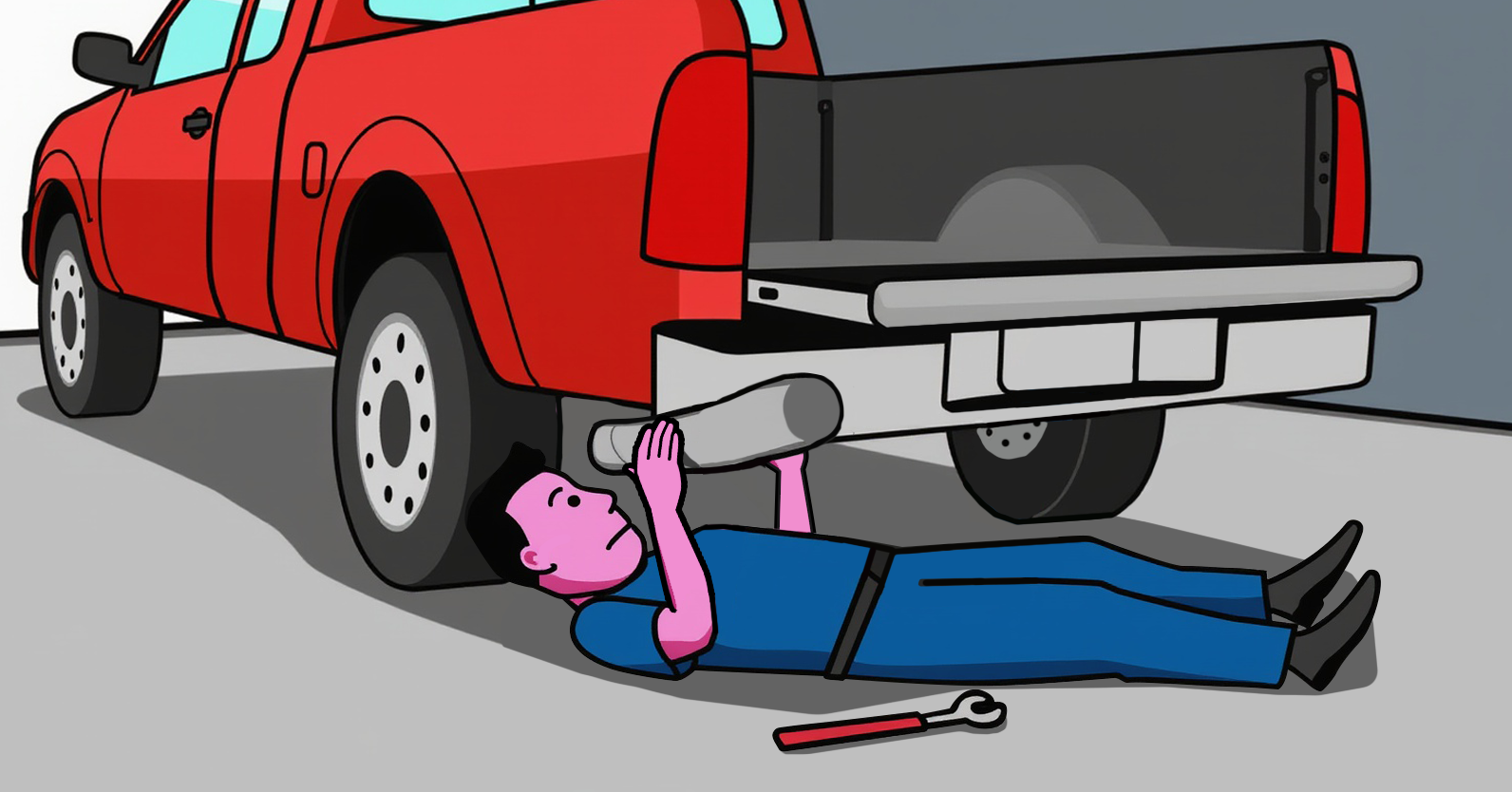
2. Exhaust Systems
- They change emissions and sound
- They affect resale expectations
- They are not easily reversible without cost
3. Engine and Performance Mods
- ECU tuning
- Turbo upgrades
- Intake modifications
- Void warranties
- Violate lease terms
- Trigger significant lease end charges
4. Permanent Interior Changes
- Custom upholstery
- Removing or replacing seats
- Altering dashboard components
What Happens If You Don’t Reverse Modifications?
- Original condition
- Wear and tear
- Market readiness
- Replacement parts
- Labor
- Value loss
The Real Decision: Modify or Own?
Why Buying Out Your Lease Is the Best Move for Customization
- Upgrade wheels permanently
- Install performance parts
- Customize audio and interior
- Modify suspension or exhaust
When Aftermarket Parts on a Leased Car Make Sense
- The modification is fully reversible
- You keep all original parts
- You plan ahead for removal
When You Should Consider Buying Instead
- You want permanent upgrades
- You are already invested in the car
- You plan to keep it long term
- See if ownership makes financial sense
- Compare loan options
- Understand your real cost
How Lease End Helps Before You Modify
- Pull your payoff amount
- Compare multiple lenders
- Allow you to complete the process online
- Temporary modifications
- Or full ownership and customization
Before You Add Aftermarket Parts to Your Leased Car
- Can I remove this completely?
- Will this affect the car’s value?
- Do I want to keep this car long term?
FAQs: Aftermarket Parts Leased Car
Yes, but only if the parts are temporary and can be removed without damage.
Yes. Most lease agreements require the car to be returned in its original condition.
They can violate lease terms and lead to fees if they are permanent or not reversed.
Yes, as long as you reinstall the original set before returning the car.
Stick to reversible upgrades or consider buying out the lease before making permanent changes.
Final Thought
Pamela Stipetic
September 26, 2026
I trust Cameron Clark and Lease End 100%-
I trust Cameron Clark 100% and what an Experience!!! I spoke to rhe dealership who had the financing, had to go in to the dealership to discuss buyout. Lowball on the numbers, want to get you in a new lease, time I don’t have, money I don’t have and I just Wanted the car. Jesse Williams kicked off the process, Cameron Clark got on the phone and just like that- done deal. Cameron is beyond friendly and professional, gave me my options, not pushy at all. He was there to facilitate whatever decision I made. In less than 40 minutes, in the comfort of my own home office, a contract was signed and lease completed. On top of that, I got a message a few minutes later, loan completes, tax, tags, registration all wrapped up and done. I have never seen a more efficient process with the absolute best financing salesperson. Cameron Clark is fantastic at his job! Beyond a perfect 10. Friendly, professional, efficient- I could hug him for taking one more very time consuming chore off my plate!! Beyond impressed.