Lease End
Free Tools
Resources
Lease End on Trust Pilot
Back to Learn

What the EV Tax Credit Ending Means for Your Lease Buyout

Lease End

Adam Broud

Published 10/1/25

Updated 9/21/26

financingtaxes & fees
Estimated Read Time: 6 minutes
TL;DR: The federal EV tax credit of up to $7,500 ended September 30, 2025. For drivers leasing an electric vehicle, this expiration may have affected both your wallet and your lease-end decision.
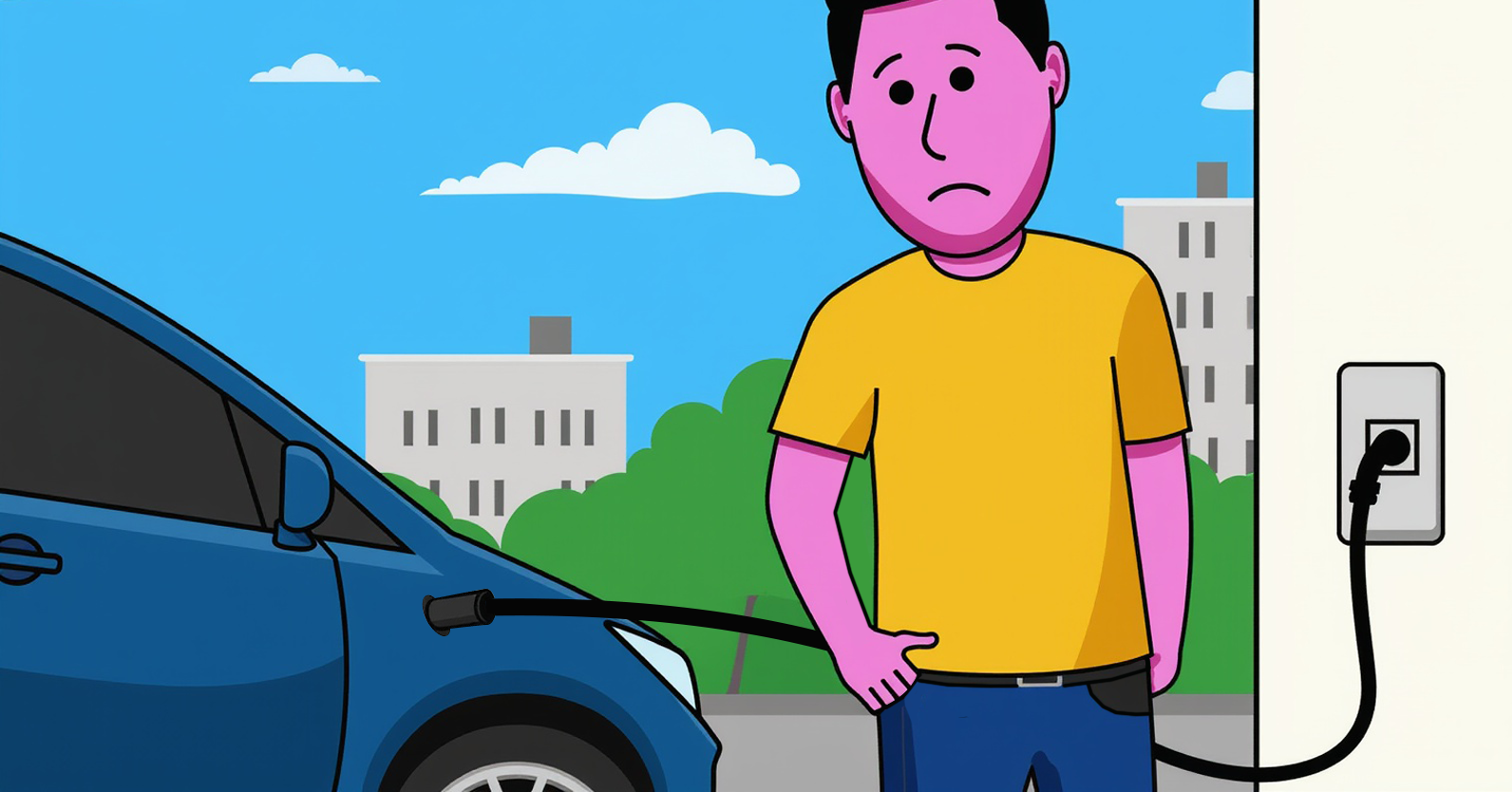
Lease EndPerson frowning while charging vehicle
The federal EV tax credit has been a game changer for drivers. Worth up to $7,500, it helped make electric vehicles more affordable. Dealers and leasing companies often rolled the credit into lease deals, lowering monthly payments.
But here’s the catch: once the credit expires, new EV leases and purchases will no longer benefit from that federal discount. Which means future leases may cost more, and the resale market could shift too.
If you already lease an EV, you may be sitting on unexpected equity—especially if your residual value (the predetermined buyout price in your contract) is lower than the current market value.

How the EV Tax Credit Expiration Impacts Auto Lease Buyouts

So what happens when the EV tax credit ends? Here are the key points:
  • Leased EVs may retain more value. Without new credits, used EVs could stay in high demand. That could make your leased car worth more than the buyout price, leaving you with positive equity.
  • Future EV leases may be pricier. Losing the credit means higher monthly lease payments for new deals. Buying out your current EV could actually be cheaper than starting a new lease.
  • More drivers may buy instead of lease. As the credit disappears, leasing loses one of its biggest perks. Many drivers will choose ownership—meaning competition in the used EV market will heat up.

Should You Buy Out Your EV Lease Before the Tax Credit Ends?

This is the core question for any EV lessee right now, but it's especially live for Tesla drivers, since Tesla only restored lease buyouts in November 2024. Start with the math. If your EV's market value is higher than your lease buyout amount, you're looking at equity, instant value you can keep by buying your car. The math isn't the whole answer, though. How this specific EV has held up, whether you want to spend a weekend shopping for a replacement, and whether you'd rather own something you can keep or sell on your own timeline all belong in the same decision.
Example:
  • Residual value in your contract: $28,000
  • Current market value: $33,000
  • Equity if you buy: $5,000
If you return the car, the dealer pockets that equity. If you buy it out, you keep it. And if the numbers don't line up that way? Plenty of drivers buy out a car that's worth less on paper than the payoff, and it can still be the cheaper exit. Price out what returning actually costs, disposition, excess mileage and wear-and-tear charges all disappear the moment you buy the car instead. If you're already over your mileage cap, that's a penalty at turn-in and nothing at all on a buyout. And if this EV has been reliable and you'd rather not start over with an unfamiliar one, that's worth something a payoff quote won't show you.
Lease End makes this process simple with our AI-powered calculator. Enter your license plate or VIN, and you’ll see your buyout numbers instantly. The calculator gives you the numbers. If you're still deciding whether a buyout is the right move at all, run the car through the Lease End Buyout Score, it weighs five things, not one: your equity, how reliable the car has been, what it would cost to replace, how in-demand it is, and your mileage. 👉 leaseend.com/automatic/lease-buyout-score

Pros and Cons of Buying Out Your EV Lease

Let’s break it down.
Pros:
  • Keep an EV you already know and trust, how it's charged, how it's held up, what it's been through.
  • Lock in equity before used EV prices shift.
  • Avoid higher monthly payments on new leases.
  • Skip dealer markups, the return inspection and lease-end fees.
  • Turn a lease into an asset you can keep or sell whenever you decide.
Cons:
  • Sales tax and title fees still apply.
  • Financing rates vary depending on credit.
  • Some EVs depreciate faster than others, so equity isn't guaranteed, weigh any gap against what a turn-in would cost you in mileage, wear-and-tear and disposition charges before you call it.

How Lease End Helps with EV Lease Buyouts

If you decide buying out your EV lease is the smarter move, Lease End can:
  • Show you real-time payoff quotes with Automatic AI.
  • Connect you with the best lease buyout loan rates available.
  • Handle all DMV paperwork (so you’re not standing in line while everyone else is figuring out the tax credit deadline).
  • Keep the process transparent, with no hidden dealer markups.
Review 1 of 3

Susan Lake

August 23, 2026

Buying out my lease on my own had me…

Buying out my lease, on my own, had me going through many hurdles and obstacles. The leaseholder, Genesis Finance, said I had to get the buyout information from a dealer. The dealer provided me with a written buyout that my bank found unacceptable, plus I would have to deal with all the motor vehicle department transactions, so I decided to try Lease End. Amazing within a couple of hours everything was done barely lifting a finger to send photos of our driver's license, insurance card, and registration. They arranged the financing with a lender well known to me, as I already have some banking relationships with, at a rate better than I was entertaining from my credit union. They got all the information directly from Genesis finance and handled all the motor vehicle paperwork. All I had to do was Auto sign the loan agreement online. The service was outstanding everyone that I dealt with, which were few, were amazing, confident, courteous, friendly and efficient. What an incredible experience couldn't ask for more. Everything taken care of just like that. I still have trouble believing it was so easy.

View on Trustpilot ↗
Author

About the author
Adam Broud

Adam Broud writes for Lease End on auto leasing, financing, and ownership decisions. He holds an MBA from BYU's Marriott School of Business and has worked in a range of disciplines including organizational consulting, SaaS marketing, and digital ad strategy. His editorial and ad writing has appeared in Buzzfeed, Vanity Fair, and national television campaigns.