Lease End
Free Tools
Lease End on Trust Pilot
Back to Learn

Car Ownership vs. Long-Term Leasing: What’s Actually Better in 2026?

Lease End

Adam Broud

Published 1/8/26

Leasing
TL;DR (6-minute read): In 2026, leasing can still work for certain lifestyles, but rising interest rates, higher used-car values, and changing lease terms have shifted the math. For many drivers, buying out the car they already lease has quietly become the most cost-effective solution.
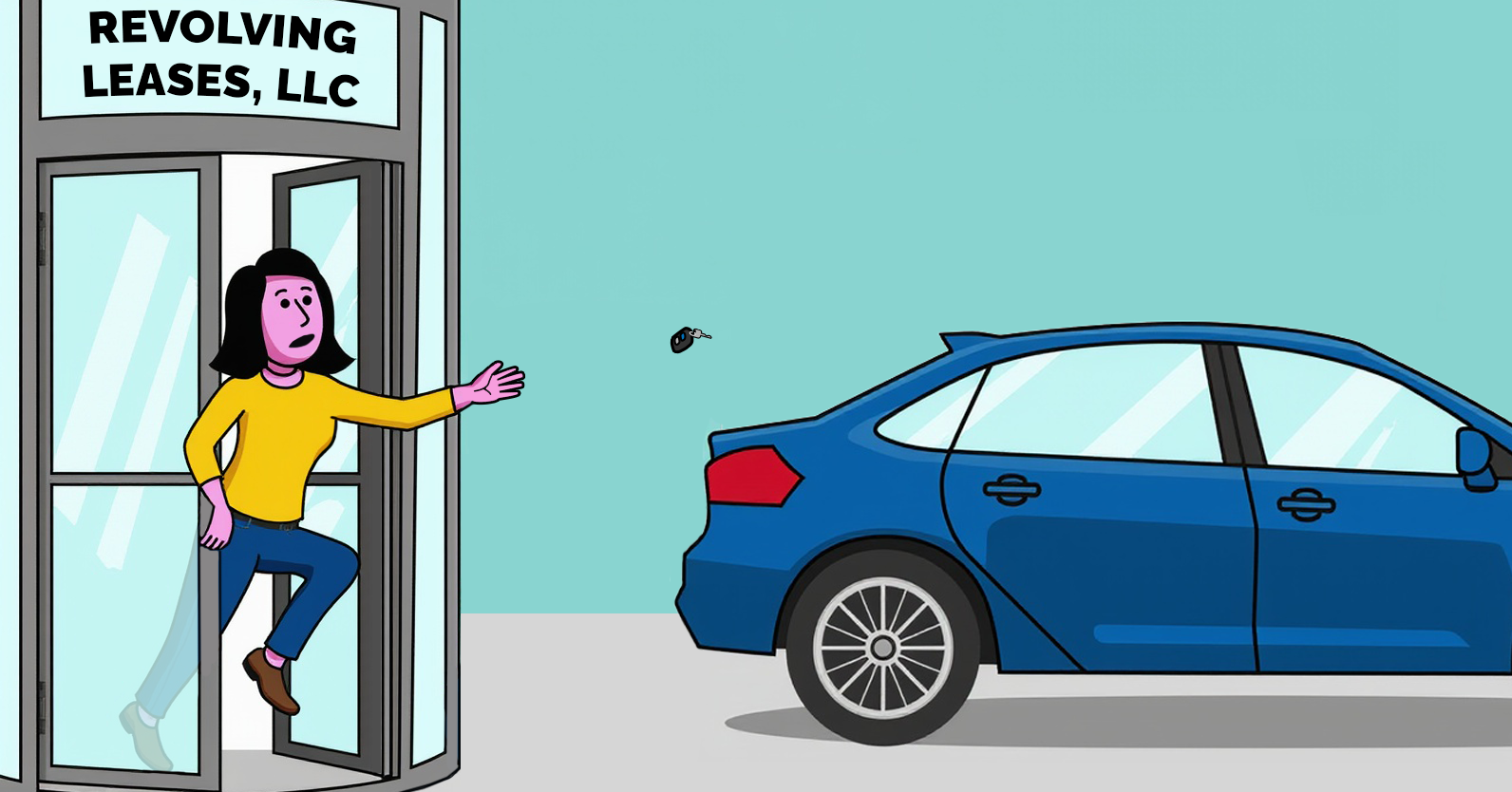
Lease EndPerson in a revolving door with car keys
If you have not checked car prices or lease terms recently, 2026 may feel unfamiliar.

The 2026 Car Market Reality

Interest rates remain elevated compared to the pre-2020 era. Used car prices are still historically high, even as inventory slowly returns. Leasing structures have changed, with tighter mileage caps, higher money costs, and fewer incentives baked into new deals.
That means the old advice around leasing versus buying no longer applies cleanly.
The question is no longer “Is leasing cheaper month to month?”
The real question is “What's going to cost me less in today’s market?”
For drivers nearing the end of a lease, this decision carries real financial weight. It affects your monthly payment, long-term flexibility, and whether you build equity or keep paying for depreciation.
This guide breaks down ownership versus long-term leasing in 2026, then introduces a third option many drivers overlook: buying out the lease you already have.

How Leasing Changed After 2020 and Why It Feels Different Now

Before 2020, leasing often worked because money costs were low, incentives were generous, and inventory was plentiful.
Post-2020, several things changed at once.
Lease interest equivalents increased. Residual values became more conservative. Dealers began adding fees and bundled add-ons more aggressively. At the same time, used-car values rose, which made lease returns more expensive for drivers who exceeded mileage or wear limits.
In 2026, leasing still offers convenience, but it is far less forgiving.
Drivers are more likely to face:
  • Tighter mileage limits
  • Higher excess mileage penalties
  • Larger disposition fees
  • Less flexibility at the end of lease
  • Higher replacement costs if they return the car
These changes are why more drivers are reconsidering ownership, especially ownership of the vehicle they already know.

Car Ownership in 2026: Stability, Equity, and Control

Car ownership is no longer just about pride or preference. It is about predictability.
When you own a vehicle, you control how long you keep it, how much you drive it, and when you exit. You are no longer paying fees to use someone else’s asset.
In 2026, ownership often wins on:
  • Predictable monthly payments through fixed auto loans
  • No mileage caps or excess mileage penalties
  • No end-of-lease inspections or disposition fees
  • The ability to build equity as the loan balance declines
  • Flexibility to refinance, sell, or keep the car long-term
Ownership also aligns well with drivers who want stability. Families, commuters, and anyone planning to keep a car for more than three years often see lower total cost of ownership compared to repeated leasing cycles.
This is especially true when ownership begins with a lease buyout rather than a brand-new purchase.

Long-Term Leasing in 2026: When It Still Makes Sense

Long-term leasing can still make sense if:
  • You prioritize driving the latest technology every few years
  • You value minimal maintenance concerns
  • You prefer lower commitment
  • You lease luxury vehicles with rapid depreciation
  • You treat your vehicle as a short-term lifestyle choice rather than a long-term asset
For some drivers, especially those who want frequent upgrades, leasing remains the right fit, so long as you're willing to pay for it.
Over multiple lease cycles, drivers often pay more in aggregate than they realize. Fees repeat. Payments never build ownership. And when lease terms worsen, the replacement decision becomes more expensive each time.
This is why many long-term lessees now pause at lease end and ask a different question: Should I keep this car?

Ownership vs. Leasing Cost Breakdown in 2026

Here is where the math becomes important.
Leasing costs include:
  • Monthly lease payments
  • Acquisition fees
  • Mileage overage penalties
  • Wear and tear charges
  • Disposition fees
  • Higher insurance requirements
  • Repeated sales tax in some states
Ownership costs include:
  • Loan principal and interest
  • Sales tax once
  • Routine maintenance
  • Depreciation over time
The key difference is trajectory.
Leasing resets your costs every few years. Ownership reduces costs over time as the loan balance drops. In a high-rate environment, that difference can be considerable.
According to Consumer Reports and Kelley Blue Book, drivers who keep vehicles longer than five to six years typically pay less overall by owning rather than leasing, even when accounting for maintenance.
In 2026, that threshold arrives faster because lease terms are less favorable than they were in the past.

The Third Path: Buying Out Your Leased Car

This is where many drivers find the best of both worlds.
A lease buyout lets you transition from leasing to ownership without starting over. You already know the car, its history, and how it fits your life.
Buying out your lease can:
  • Eliminate mileage penalties entirely
  • Avoid wear and tear and disposition fees
  • Lock in a predictable loan payment
  • Preserve any equity if your car is worth more than the buyout price
  • Help you avoid today’s inflated replacement costs
Even when the buyout price matches market value, the avoided fees and stability can make ownership financially smarter.
Lease End specializes in helping drivers evaluate this decision clearly.

How Lease End Helps You Compare Ownership vs. Leasing

Lease End exists to find you a great lease buyout loan and remove confusion from the confusing lease buyout process.
Instead of guessing what's right for them, drivers can:
  • Calculate their real lease buyout cost using the Lease Buyout Calculator
  • Compare lease buyout loan rates from trusted lenders
  • Understand how timing affects cost using our decision framework
  • Avoid dealership pressure entirely
  • Complete title and registration without unnecessary delays
Lease End works independently from dealerships, which means the advice is centered on what actually fits your situation.
Learn more about how the process works on our Guide to Lease Buyout Costs.

When Ownership Wins in 2026

Ownership often wins if:
  • You plan to keep your car more than three years
  • Your lease buyout price is fair relative to the market
  • You are nearing mileage limits
  • You want payment stability
  • You want flexibility to refinance or sell later
  • You prefer control over long-term costs
In these cases, buying out your lease is not settling. It is optimizing.

When Leasing Still Wins

Leasing can still be the right choice if:
  • You prioritize frequent upgrades
  • You drive very few miles
  • You expense the vehicle for business
  • You lease vehicles with heavy early depreciation
  • You value simplicity over long-term savings
The key is alignment. Leasing works best when your lifestyle matches the structure. Ownership works best when your priorities shift toward control and cost certainty.

Final Verdict: What’s Actually Better in 2026?

In 2026, ownership is winning more often than it used to, especially when ownership starts with a lease buyout rather than a new purchase.
Long-term leasing has become more expensive. Ownership has become more predictable. And buying out the car you already lease often delivers the strongest financial balance between the two.
Lease End helps you see that clearly.
Before you return your keys or sign a new lease, calculate your real numbers. Fill out the form below to explore your lease buyout options, compare loan rates, and decide with confidence.
Author

About the author
Adam Broud

Adam Broud is a writer and comedian based out of Salt Lake City, Utah. As a professional stand-up comedian with an MBA, his writing uniquely blends the worlds of business and comedy. Adam's writing for ads and comedy has appeared in places such as Buzzfeed, Vanity Fair, your television, and his mom's box of keepsakes. Feel free to review his writing from any of those places, but just know it's kinda weird if you choose his mom's house.

;