
Lease Buyouts in Washington, D.C.

Published 9/11/26
Ready to start your buyout? See Washington, D.C. lease buyout data and get a quote → Washington, D.C. lease buyouts

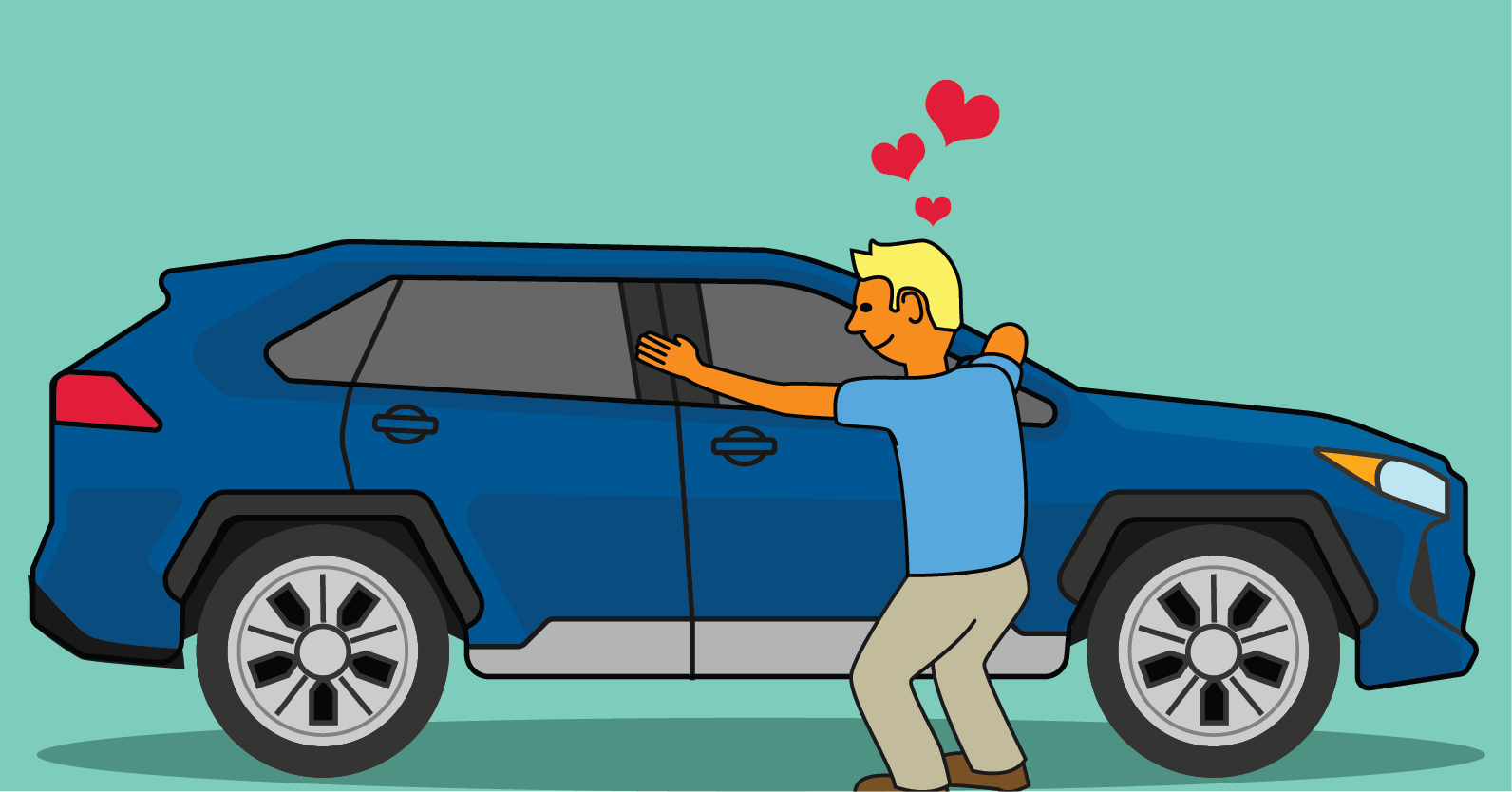
- Turn the car in
- Lease something new
- Or buy your current vehicle
If it is worth less, you are paying for convenience and continuity.
Why D.C. Is Different
- Vehicles depreciate differently
- Replacement costs are higher
- And time is often more valuable than optimization
The Data: One of the Strongest Buyout Markets
- Average Equity: $2,430
- Median Equity: $1,825
- Average Income: $174,072
- Median Income: $160,000
- Average Credit Score: 678
- Average APR: 9.04%
What This Actually Means
D.C. has some of the highest equity we have seen. Many drivers are buying cars that are worth significantly more than their buyout price.
Higher incomes mean drivers can act on opportunities instead of passing on them.
Average scores are solid but not elite, which keeps APRs around 9%.
The Vehicles Tell a Different Story
- Jeep Grand Cherokee
- VW Taos
- Audi Q7
- Nissan Rogue
- Mercedes GLE-Class
- Mazda CX-3
- Kia Soul
- Smaller footprints
- Higher trims
- More daily driving than heavy-duty use
Timing: The Longest Process So Far
- Median and average close time: ~3 months
- Strict documentation requirements
- Title and registration coordination
- Administrative backlogs
Washington D.C. Title and Registration Requirements
Driver’s License
- Name must match
- Address must match
- State must match
- D.C. license required
Insurance
- Required
- Name must match
- State must match
- Must be active
- VIN must match
- Co-buyer must be listed
Registration
- Must be current
- No grace period
- No temporary extensions
Key Flag
- Wet signature required
Where the Decision Gets Real
1. Equity
2. Financing
- Lower your monthly payment
- Preserve more of your equity
- Make the decision easier
3. Replacement Cost
4. The Car You Already Have
When a Buyout Makes Sense
- You like and trust the car, you know how it drives here, how it has held up, whether it has ever left you stranded
- You would rather not start over: no dealership, no negotiating, no getting used to someone else's car
- You want to avoid high replacement costs
- You are already over your mileage cap, those miles cost you at turn-in and cost you nothing if you buy
- Your vehicle has clear positive equity, which describes most D.C. drivers in our data
- You can secure reasonable financing
- Your buyout price is above market value, measure that gap against what turning the car in would actually cost you. Disposition, excess-mileage and wear-and-tear charges stack up, and mileage overage alone commonly runs 10 to 30 cents per mile. If those add up to more than the gap, buying the car out is the cheaper way out.
- Financing costs outweigh the benefit
Getting Prepared for the Process
Step 1: Get Your Buyout Price
Step 2: Check Market Value
Step 3: Run Your Numbers
Step 4: Check Your Deal Strength
Step 5: Prepare Your Documents Early
Step 6: Give Yourself Time
Phil
September 19, 2026
Great experience and results
I was skeptical of Lease End's promise to quickly and easily find a lender to buy out my lease. After all, we're inundated with claims and promises constantly. Was this any different? So I checked reviews here and elsewhere, finding high ratings, and decided to move ahead. The results were everything promised. The two agents I worked with, Houston and Dax, were professional, informative and helpful. I was offered 2 options along the way, GAP insurance and an extended warranty. I declined and they were never mentioned again. Within a day, a major bank agreed to finance the 3 yr old car at a rate that was a 1/2 point lower than the best rate I had received from my credit union. There were no extra fees from Lease End. Once I accepted, I was able to sign in to a personal webpage that monitored progress. Everything promised was delivered easily, hassle-free and from my home. Best of all, I avoided returning to my dealer who would only give me their financing proposal if I paid them a visit.