TL;DR (4-minute read): The best move is to check your lease for repair guidelines, use approved shops, and consider a pre-inspection if you’re nearing the lease end. Or, if you’re really not into following the precise repair protocols and returning the car, there’s always the option of buying it out.
Across the 19,287 lease buyouts Lease End completed in 2025, drivers who kept their vehicle captured roughly $5,500 in average equity plus about $3,800 in avoided overage and turn-in charges, and Lease End does not require a vehicle inspection to buy out.
So, you’ve
dinged your leased car. Whether it’s a minor fender bender or you bumped into a mailbox that
definitely came out of nowhere, you’re probably wondering what your options are. Can you fix it yourself, or should you take it to an authorized repair shop?
Let’s break it down and figure out the best way forward.
What Happens If I Damage My Leased Car?
First off, if you’re looking for a quick fix, we’re going to burst that bubble: most
lease agreements only cover regular, predictable maintenance. That means things like oil changes and tire replacements are usually covered.
But accidents and unexpected damage (like that random mailbox) are a different story.
If you do end up damaging your car, here’s the game plan:
- Call your insurance provider - The sooner, the better.
- Review your lease - Check for approved maintenance providers and repair guidelines. If you’re unsure, reach out to the dealership or lender for clarification.
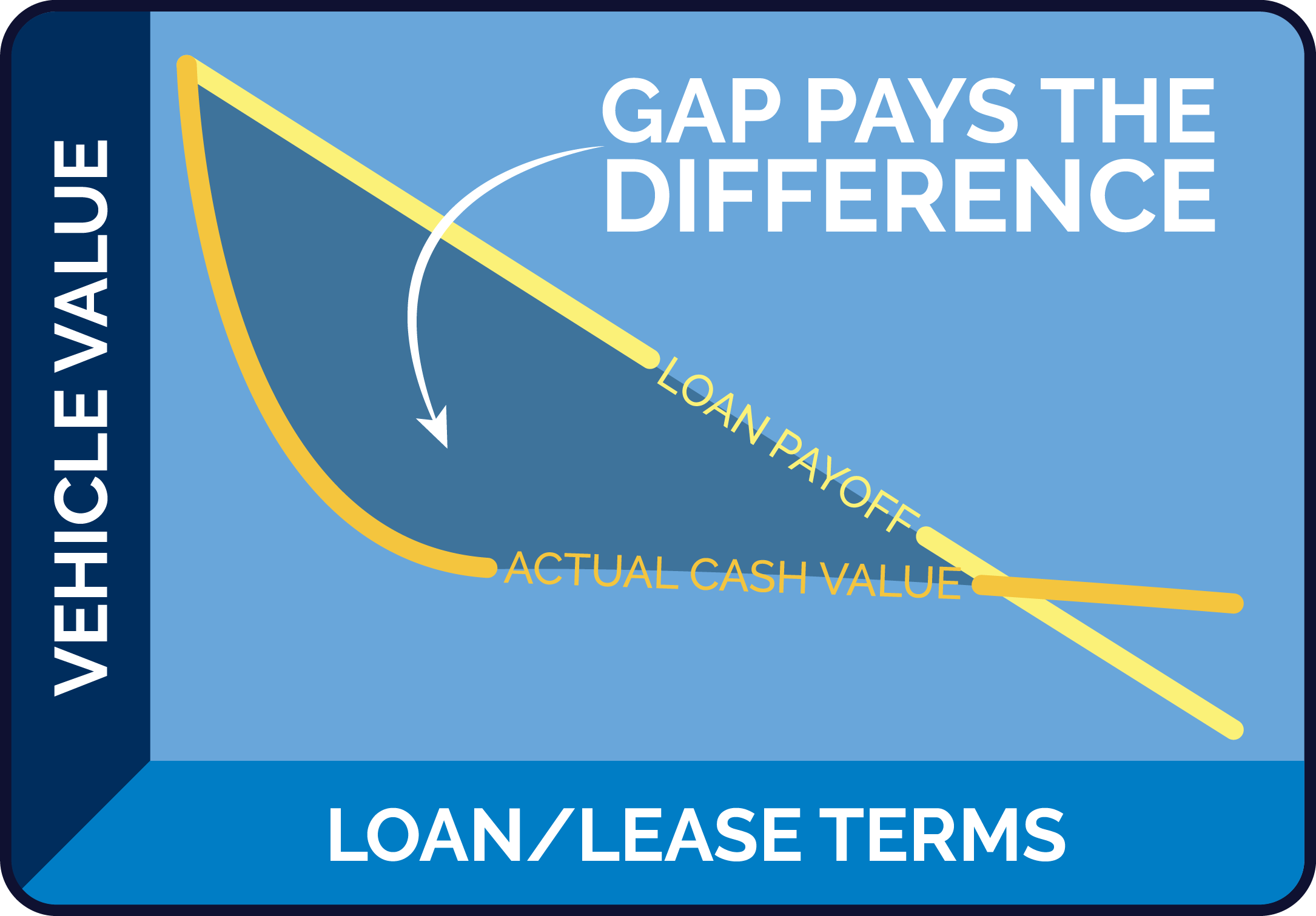
- GAP coverage - If your car is totaled (yikes!), your lease’s GAP coverage will likely kick in to help you out.
Pro Tip: If your car’s been in an accident, you're going to be working with your insurance and the manufacturer to figure things out.
Damage Is Not the Only Cost Waiting at Turn-In
Damage is rarely the only line item on a turn-in bill. Lease End data from 19,287 buyouts completed in 2025 shows the average driver ended their lease at 36,954 miles, which is 954 miles past the standard 36,000-mile cap. At the typical overage rate of 10 to 30 cents per mile, that alone adds up to roughly $300 before a single scratch is assessed. Some models run far higher: Jeep Wrangler lessees in the Lease End dataset averaged 44,740 miles, or 8,740 miles over the cap, which works out to about $2,622 in overage fees on top of any damage charges.
Why it fits: this is the point where the reader is mentally tallying what turn-in will cost. Pairing damage charges with proprietary mileage overage data makes the total cost picture concrete and is data no competitor can publish.
Can I Return a Leased Car with Damage?
Yes, you can technically return a leased car that’s been damaged. However, we wouldn’t recommend it. When you turn it in, the dealership will inspect it and hit you with wear-and-tear charges based on the damage. A scratch or a dent might seem small, but the cost to repair can add up quickly. You can also
return a leased car if it has problems.
If you’re nearing the end of your lease and want to avoid nasty surprises, most dealerships will allow you to schedule a pre-inspection, so you can catch any damage before the final inspection. You can also check out third-party inspection services for an unbiased opinion.
Want to go the DIY route? Some manufacturers, like
Ford, offer damage guides that let you perform your own pre-inspection. This will give you an idea of whether it’s worth fixing that dent yourself—or whether you can let it slide.
Before You Pay for the Repair, Check What the Car Is Worth.
There is a decision most drivers never make consciously: is this car worth more than the payoff amount printed in your lease? If it is, paying out of pocket to repair a car you are about to hand back may be the wrong move entirely. In Lease End proprietary analysis of more than 18,000 buyouts in 2025, all ten of the most popular buyout vehicles carried positive average equity, and every model in the top ten equity ranking averaged more than $5,000. Here is where that equity landed:
| Vehicle | Average Equity | Average New Monthly Loan Payment |
| Honda CR-V | $7,950 | $470 |
| Honda Accord | $7,378 | $461 |
| Honda Civic | $6,850 | $417 |
| Toyota Tacoma | $6,598 | $596 |
| Mazda CX-5 | $6,242 | $443 |
| Subaru Crosstrek | $5,874 | $420 |
| Volkswagen Tiguan | $5,739 | $433 |
| Honda Pilot | $5,597 | $583 |
| Ram 1500 | $5,570 | $666 |
| Honda HR-V | $5,403 | $405 |
If your damaged car is on this list, the equity sitting in it likely exceeds the cost of the repair you were about to pay for and the wear-and-tear charges you were trying to avoid. Buying out lets you keep both the car and the equity, and you can repair it on your own schedule, at your own shop, with whatever parts you choose.
Where Can I Take My Leased Car for Repair?
Good news: the info you need is already in your lease agreement! Most lease contracts specify where you can have your car repaired, so it’s important to know those requirements. If you don’t, you might find yourself dealing with additional charges for non-approved repairs. Be sure to check the fine print or contact your dealer for the details.
Can I Repair My Leased Vehicle By Myself?
Can you? Sure, but it’s not exactly a great idea.
Here’s why: if you choose to go the DIY repair route, you run the risk of the dealership finding out. And trust us, they’ll be looking for any signs that you’ve done something under the radar. If they discover that the repairs were “mishandled,” you might end up paying for the same fix twice—once on your own and again when you return the car.
So while it’s possible to repair a leased car yourself, be prepared for a potentially hefty bill when the lease ends. The better option? Have an authorized service provider handle it.
Note: Not planning on turning your leased car back in? You’re not alone, and we can help you with that. Skip to the end of this article or call us at (888)307-5191 if you’re ready to start talking about your lease-end options that don’t involve a traditional turn-in.
You Are Not Alone in Wanting to Keep It
That note is not a figure of speech. Lease End has facilitated more than 50,000 lease buyouts since 2021, including 19,287 in 2025 alone, and unlocked $108 million in equity for drivers that year. Once you own the car, the entire repair question changes: no approved-shop list, no OEM parts requirement, no inspector looking for signs of DIY work. You repair it wherever you want, with whatever parts you want, because it is yours.
What If I Have A Scratch On My Leased Car?
A scratch on a leased car is one of the most common forms of minor lease damage. Small surface scratches can often be repaired yourself using touch-up paint, scratch-removal products, or polishing compounds. However, deeper scratches that penetrate the paint or expose bare metal may require professional repair. Before attempting a DIY fix, make sure the repair improves the appearance of the vehicle and does not create additional damage that could be flagged during a lease-end inspection.
Can You Change Parts on a Leased Car?
In short: No.
If you replace parts with non-OEM parts (that’s Original Equipment Manufacturer, like a Honda part for a Honda car), you could face penalties when you turn in the car. Stick to OEM-approved parts to avoid getting hit with extra fees.
The OEM Rule Hits Some Brands Harder Than Others
The OEM parts requirement lands hardest on the vehicles that dominate lease lots.
Honda is the number one manufacturer by buyout volume in Lease End 2025 data, followed by
Toyota,
Jeep,
Kia, and
Chevrolet, and Lease End has helped more than 45,000 drivers buy out Honda leases alone. Those are also the brands with the highest retained equity in the dataset, with Honda taking the top three equity spots. If you are driving a Honda, a Toyota Tacoma, or a
Mazda CX-5, the parts restriction you are chafing against is attached to a car that is very likely worth more than your payoff.
What Does it Cost to Repair a Leased Vehicle?
The cost of repairing your leased car depends on two main factors:
- The type of damage - A minor scratch won’t cost as much to fix as a major collision.
- The severity of the damage - Minor issues might be covered by your lease contract or manufacturer’s warranty. But if it’s not covered, you’re paying out of pocket.
Who Pays for Damage on a Leased Car?
Expected maintenance, like oil changes, tire replacement, etc., is often covered by a lease contract, either as a standard term or as an additional purchase at the time of leasing, or by manufacturer warranty.
Repairs due to things like crashes, accidents, or accidental internal damage is usually not covered. These unexpected repairs shouldn’t cost you much more than they would on a car you own, the major difference being that, if you own the car, you likely have many more options on where you could get the issue addressed.
Again, to confirm this information for sure, make sure to check your leased contact.
Don’t forget that you can utilize your car insurance on your leased car more or less the same way you would on a car you own. If a repair is covered by your insurance, they may be able to help with the cost as well—just keep your deductible in mind.
Running the Numbers: Repair and Return, or Buy Out?
If the repair bill is large enough that you are doing math, run the buyout math alongside it. Lease End portfolio averages as of May 2026 give you real numbers to work with rather than estimates:
| Lease End Portfolio Metric (May 2026) | Average |
| Average monthly payment, full credit spectrum | $576.37 |
| Average amount financed | $31,874 |
| Average loan term | 72.7 months |
| Average APR, all credit profiles (2026 YTD) | 9.05% |
| Minimum qualifying credit score | 520 |
For context, the average lease buyout payment in 2025 was $563 per month versus $659 for a new lease on a comparable vehicle, a difference of roughly $100 per month or $1,200 per year. Rates also matter more than most drivers expect. On a $25,000 buyout over 60 months, the gap between a 4% and a 9% rate is about $58 per month, or more than $3,400 over the life of the loan. Lease End works with lending partners including
Ally,
Chase,
Capital One, and TD Bank, and 2026 has opened at the most favorable financing conditions in over a year at 9.03% year to date.
Where you live changes the math too. Average buyout APRs in the Lease End dataset run from 7.96% in Idaho to 11.29% in
Oklahoma, a spread worth roughly $3,000 in additional interest on a $30,000, 72-month loan. You can look up your state average in our
state-by-state lease buyout guides.
Let's Wrap It Up: Can You Fix Your Leased Car Yourself?
The answer is, as always, “It depends.” Sure, you can attempt DIY repairs, but it’s a risky move. You might save a few bucks upfront, but come lease return time, you might end up paying for those repairs twice. The better option is to stick to approved repair shops and avoid penalties at the end of the lease.
But if you’re dreading turning the car back in—especially with some damage on it—there’s another option. You could always buy out the lease and keep the car for good! Lease End assists drivers who want to keep their leased car. If you’re looking to keep your leased car in your life, we can help you buy it out.
We’ll
secure a loan to pay off and buy out your leased vehicle, and you can finance that loan to continue making payments on your car—except this time, it’s yours.
We don’t require vehicle inspections, so if you’ve got some damage you’d rather not deal with through the dealership (or if you’re over on your mileage allowance and trying to avoid those fees), you won’t need to fess up to us – or do. We won’t judge you.
In 2025, Lease End customers captured $73,155,589 in collective savings, and Lease End facilitated $590 million in vehicle loans and unlocked $108 million in driver equity. No inspection, no wear-and-tear assessment, and no one grading the repair you already made. Enter your license plate or VIN to see your payoff and your equity in a couple of minutes.
Give us a call at
(888) 307-5197 to have a no-pressure chat with one of our expert advisors about your lease-end options, or get started by entering your license plate or VIN below.