TL;DR (4-minute read): If you buy out your lease, your original GAP coverage usually does not continue with your new loan. Based on 23,350 lease buyout loans financed through Lease End over the past 12 months, 56% of customers purchased new GAP coverage after buying out their lease, while 44% chose not to. The right decision depends on your loan amount, vehicle value, and financial situation.
You finally decided to buy out your lease.
You've compared financing options. You've figured out your monthly payment. Everything seems ready to go.
Then someone asks: "Do you want GAP coverage?"
Wait... Didn't your lease already have GAP insurance?
Maybe. But here's the important part:
That coverage usually ends when your lease ends.
If you're financing your lease buyout, you're starting a brand new auto loan. That means it's time to decide whether you want GAP protection for this loan too.
The good news?
You don't have to guess what most drivers do. We looked at more than 23,000 lease buyout loans financed through Lease End to see how customers actually made this decision. Here's what we found.
What Is GAP Coverage?
GAP stands for Guaranteed Asset Protection.
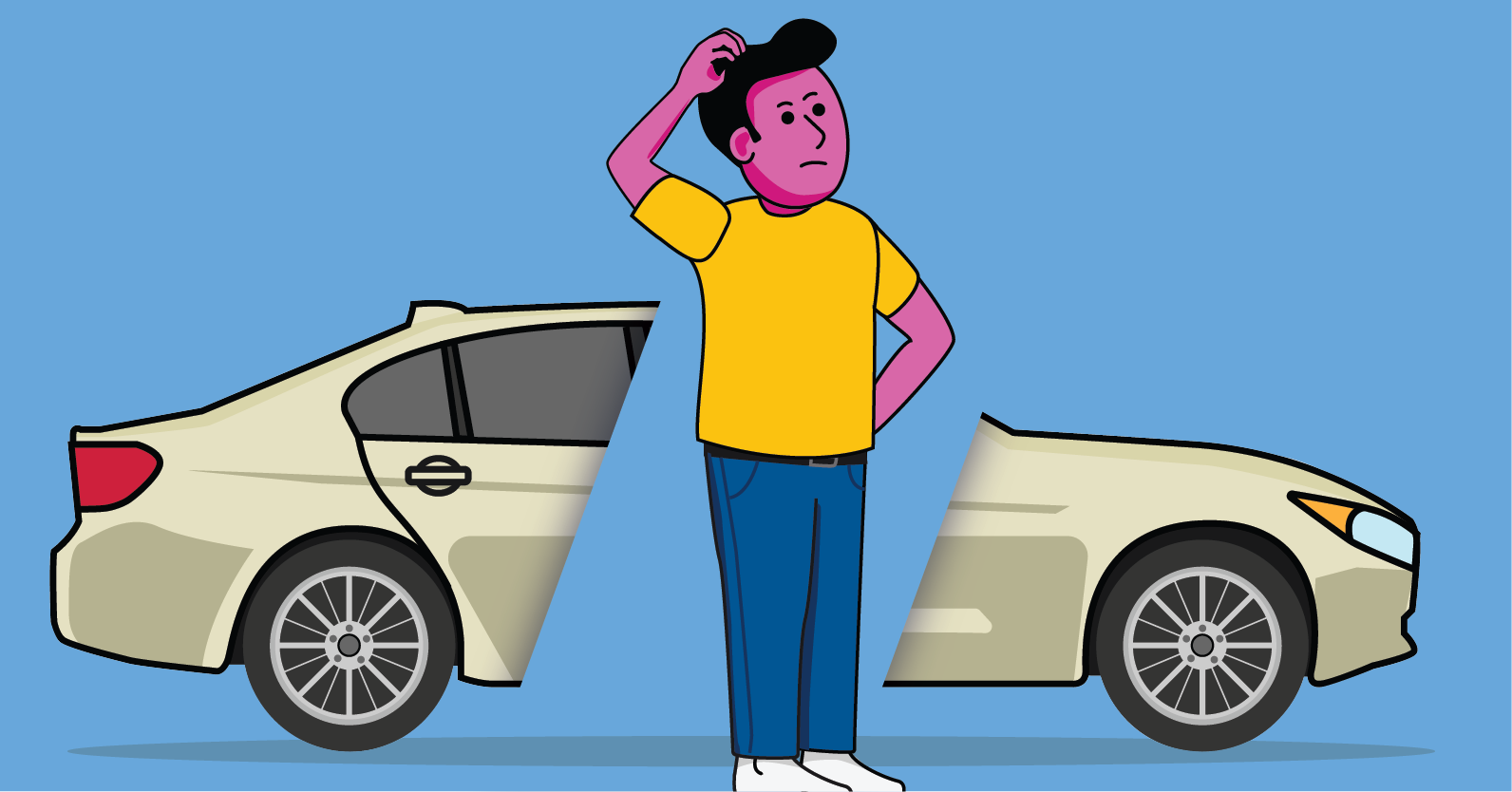
If your vehicle is totaled or stolen, your standard auto insurance typically pays the vehicle's current market value. If you still owe more than that amount on your loan, GAP coverage may help pay the remaining balance, depending on your policy.
Here's a simple example.
Let's say:
- Your insurance company values your vehicle at $24,000
- You still owe $28,000 on your lease buyout loan
If you were in an accident and didn't have GAP coverage, you would still owe approximately $4,000 after the insurance payout.
With GAP protection, your policy can now cover the remaining balance. That's why many drivers choose it. A small price to pay for peace of mind.
Does Your Lease GAP Coverage Continue After a Buyout?
Usually, no. You'd typically need to buy GAP coverage for your new loan.
Many leases include GAP protection as part of the lease agreement. But once you purchase the vehicle, you're no longer leasing it. You're financing it. That creates an entirely new loan with new terms.
Your original lease contract generally ends, and any GAP protection included with that lease typically ends with it. If you want GAP coverage after your lease buyout, you'll usually need to purchase new protection for your new loan.
What Lease End's Data Shows
Rather than guessing what people do, we looked at actual customer behavior.
Based on 23,350 lease buyout loans financed through Lease End during the past year, here's what happened:
- 56% purchased GAP coverage
- 44% declined GAP coverage
At first glance, those numbers might seem surprisingly balanced.
If GAP is valuable, why doesn't everyone buy it?
The answer is simple. Not everyone needs the same level of protection.
Why Some Drivers Purchase GAP Coverage
For many people, GAP provides peace of mind.
It's especially common when:
- You're financing most or all of your lease buyout.
- Your loan balance is close to the vehicle's value.
- You're choosing a longer loan term.
- You want protection against unexpected depreciation.
Think of GAP as protection against being upside down on your loan. The more likely that situation becomes, the more valuable GAP can be.
Why Some Drivers Skip It
On the other hand, nearly half of Lease End customers decided not to purchase GAP coverage.
That doesn't necessarily mean they thought it was a bad product. Their financial situation may have simply looked different.
For example:
- They made a large down payment.
- They had significant positive lease equity.
- They selected a shorter loan term.
- Their loan balance was already well below the vehicle's market value.
In those situations, the likelihood of owing substantially more than the vehicle is worth may be much lower. That's why GAP isn't a one-size-fits-all decision.
One of the biggest factors in deciding whether GAP makes sense is understanding your
lease equity. Before making a decision, it's worth checking how your vehicle's current market value compares to your buyout price.
When GAP Coverage Makes the Most Sense
While everyone's financial situation is different, there are a few situations where GAP deserves serious consideration.
You may want to consider GAP if:
- You're financing nearly the entire purchase price.
- Your vehicle has depreciated quickly.
- You're choosing a loan with a longer repayment period.
- You're worried about being upside down early in the loan.
None of these automatically mean you need GAP. And if none of these apply to you, that doesn't necessarily mean you shouldn't have GAP. But they are good reasons to have the conversation.
Don't Confuse GAP With a Vehicle Service Contract
One misconception we occasionally see is drivers assuming GAP and a Vehicle Service Contract (VSC) are the same thing. They're not.
GAP helps protect you financially if your vehicle is declared a total loss and your loan balance exceeds your insurance payout.
One protects your vehicle. The other protects your loan. Some drivers choose both. Some choose one. Some choose neither. They're separate decisions.
Should You Buy GAP After Your Lease Buyout?
There's no universal answer.
Instead of asking,
"Should everyone buy GAP?"
A better question is:
"Would a total loss create a financial problem for me?"
If the answer is yes, GAP may be worth considering.
If you've built significant equity, made a large down payment, or owe considerably less than the vehicle is worth, you may decide you don't need it. That's exactly why Lease End customers split almost evenly. Different financial situations call for different solutions.
How Lease End Helps
Buying out your lease involves more than choosing a loan. It's also an opportunity to evaluate the protections that make sense for your situation.
Lease End works with multiple lending partners to help drivers find financing options and GAP coverage.
Instead of trying to piece everything together yourself, you can review your financing options, estimate your monthly payment, and make informed decisions before signing your new loan.
Curious what your lease buyout might look like?
Automatic AI can estimate your buyout amount and monthly payment in just a few minutes.
The Bottom Line
Your lease may have included GAP coverage. Your lease buyout loan usually won't.
Based on 23,350 lease buyout loans financed through Lease End over the past year, 56% of customers chose to purchase new GAP coverage, while 44% decided it wasn't necessary for their situation.
The right choice depends on your loan amount, your vehicle's value, and your comfort with financial risk.
Before buying out your lease, it's worth understanding your financing options, your lease equity, and whether GAP protection makes sense for your next chapter as a vehicle owner.
Use
Lease End's Buyout Calculator to estimate your lease buyout amount and monthly payment, then explore your financing options with Lease End before making your final decision.
Frequently Asked Questions
Does GAP insurance stay with my lease after I buy it out?
Generally, no. GAP coverage included in your lease typically ends when the lease ends. If you finance your lease buyout, you'll usually need new GAP coverage if you want that protection on your new loan.
Is GAP insurance required for a lease buyout?
Not usually. Requirements vary by lender and loan, but GAP is often optional. Whether it's a good idea depends on your financial situation and how much you owe compared to your vehicle's value.
How many Lease End customers purchase GAP coverage?
Based on 23,350 lease buyout loans financed through Lease End over the past 12 months, 56% purchased GAP coverage after buying out their lease, while 44% declined it.
If I have positive lease equity, do I still need GAP?
Not necessarily. Positive equity may reduce the likelihood of owing more than your vehicle is worth, but it doesn't automatically eliminate risk. Your loan amount, depreciation, and repayment term all play a role.
Can Lease End help me compare financing and GAP options?
Yes. Lease End helps drivers compare financing through multiple lending partners and understand available protection options as part of the lease buyout process.